
Remix /
Remake /
↻ Redo“It is not wrong to go back for that which you have forgotten.”
- Akan Proverb
In making and doing, our earliest efforts can be our most humbling. That’s expected at the beginning. Things may not always work out. Things may not always make sense. Yet, we find ourselves resilient, allowing passion to push us past humility and futility. After all, who hasn’t struggled working on the web? Code or no code or low code, the struggle is real. But I urge you to look back on those messes you made. They may not have been perfect, but their ideas are still there waiting for you to remix, remake, reboot, or redo.
In the past few decades, we’ve seen remix culture express itself in the digital world. It proliferates online through videos and files. Evolving digital technologies have allowed people to play with media in new and interesting ways. The internet and web seem like the perfect platform for remixing because of how easy and affordable they make copying, modifying, and sharing things. But of course, remixing is not always without legal consequences, as copyright and intellectual property laws have come into conflict with it. A serious remixer nowadays might be quite aware of the differences between such acronymic licenses like CC BY-NC, CC BY-ND, CC0, CC BY, CC BY-SA, or CC BY-NC-SA. They may even be aware of open-source copyleft licenses such as GNU GPL, MIT, BSD, MPL, or LGPL. But you don’t need to (usually) worry about such legalese when “remixing” your own previously handmade, hobby web creations.
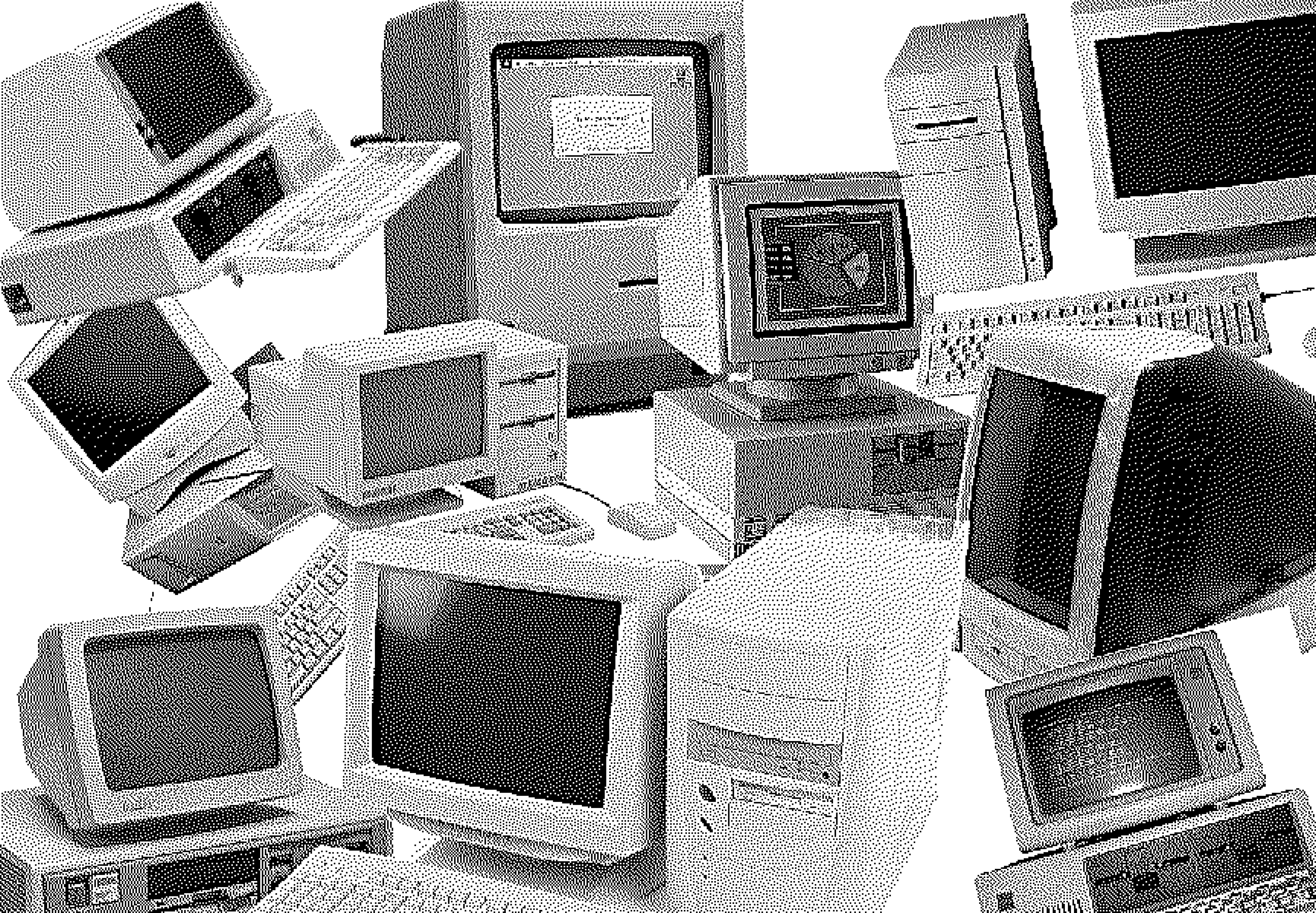
There are a few other words I’ve noticed that touch on the idea of “remixing”. Remix, remake, redo, reboot, redux, reimagine, revive. How many ways do we have to recall the past? I understand something like remaking may not exactly mean the same as remixing, where the intention is that the thing being “remade” is being done again by injecting newness into it. But I tend to use remake and remix somewhat interchangeably when it comes to the web. The differences feel less explicit than they would be for film or video games, where remakes or reboots are very clearly stated to be as such. Websites may have versions and clones, but this might be framed by their lack of finality. When is a website finished? Maintaining them is like a Ship of Theseus; there is no Facebook 2, there is no Spotify 2… or is there? While not a common practice to explicitly name the website by its version, it’s almost a guarantee that the original code under the hood is very different from that today.
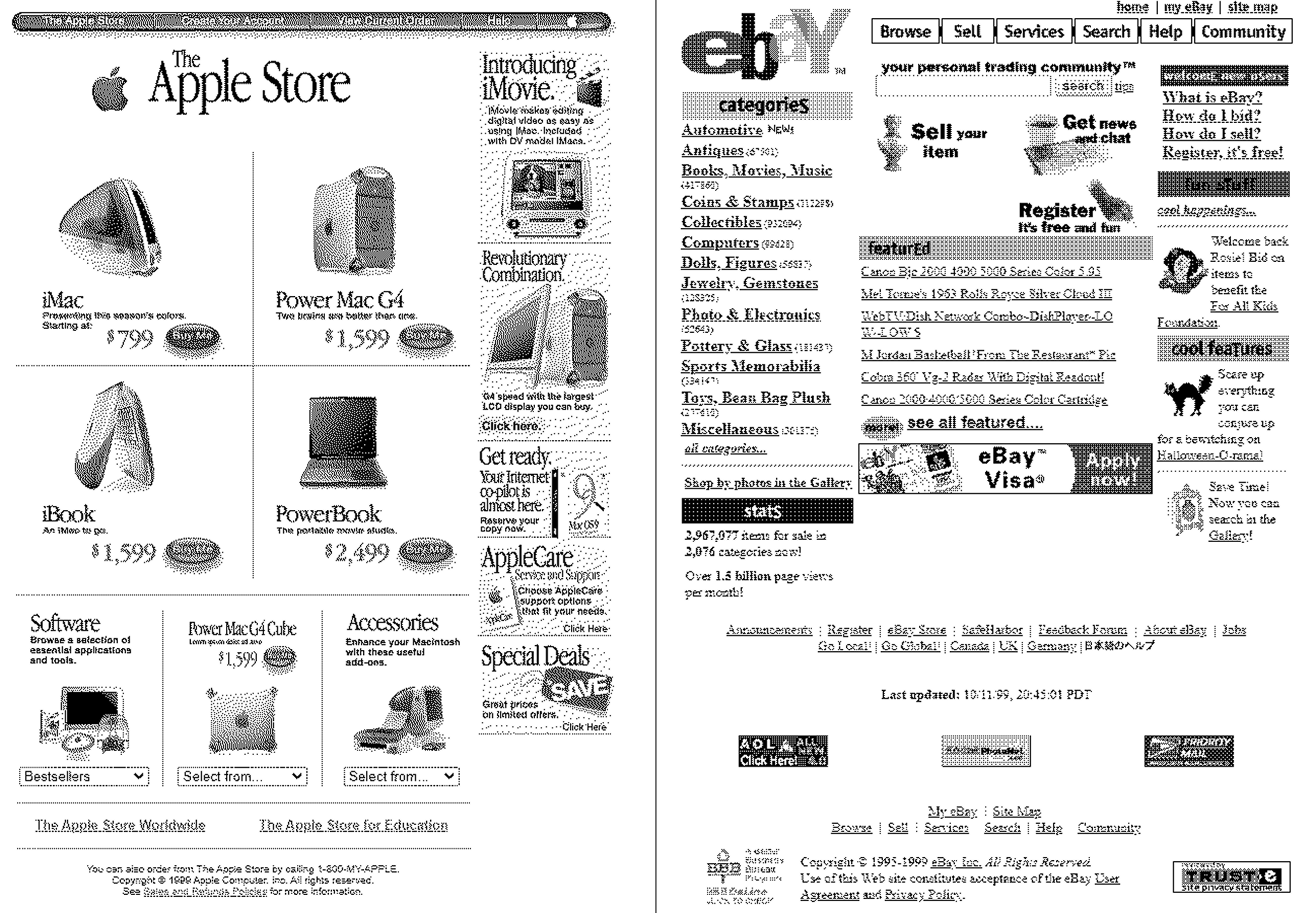
So what does remixing or remaking look like on the web? The open-source nature of software allows for anyone to (usually) freely fork and make their own “remixes”. Certain places, like glitch.com, heavily encouraged this practice of remixing web projects and provided a platform for doing so. Sites by read.cv was another place I came across where people shared their remixes and remakes of personal sites. These are just two examples of sites I was personally familiar with and used (and are both unfortunately no longer around as of 2025). But, I’m sure they will have revival attempts if not already. That is simply in the nature of the web. We do have Neocities serving as a revival of the beloved Geocities in bringing back the personal and small web. There are also other niche communities like 32-Bit Cafe, Sunday Sites, and plenty more I haven’t listed that still exist. These sorts of spaces are important for continuing the “old web.”
When brutalist web design was still en mode, we would sometimes see attempts at remaking sites to fit the honest rawness of older web design affordances. In a way, the brutalist approach feels like a recall to the simplicity and plainness of the early web. It seems a bit kitsch now in terms of aesthetics, but the brutalist web is also a push back against over-engineering and rising bloat. This bringing back of the early web is a nostalgia I see often when exploring the hobby web. It pulls a lot of people in, allowing them to remake and remix the web of their past. I find this important and valuable, especially as more people become connected to this nicer part of the internet. These places should be cultivated so that people in the future can recall them, too, as part of their own nostalgia.

That being said, I want to encourage you to take some time to look back at your earliest projects and ideas. The kind of stuff that has been forgotten for a while. What motivated you to make them? What sort of state did you leave them in? What ideas did they give you? If you can find them, run them (if you still can), and check them out again. Perhaps take some time to reflect on how much you’ve grown since. Then, I want you to ask yourself how you would redo things.
The nature of the web is that we can always keep updating things, so long as we want to (or can, for that matter). Whether it's a remake or a remix of your earlier stuff, as long as it was yours, you can redo it as much as you want. You’ve changed since then, and those changes may translate into your web projects just as much as they can if you were to do so for your past drawings, writings, or whatever hobby media you’ve made. Think of the new ways you can blend the things you’ve learned, or even change the original intent entirely. Allow yourself to connect your past and present selves for a moment and see what creativity that brings you. Was it read-only before? Make it read-writable. Did it lack styling? Plop some in. Was it broken and unfinished? Fix it and finish it (to some degree). Was it a mess of spaghetti? Turn it into lasagne (or linguine).
In my personal experience with the hobby web, I understandably found it exhilarating to move on and start a new web project. Things can feel energizing when starting fresh with a mind buzzing with ideas. If you tried doing stuff like Genuary or Weird Web October, then you might start using a sort of template for you to start building off of the next prompt. These sorts of weird prompts can be very fun to build small, bite-sized projects that you can leave behind without worrying about much maintenance. Even a year later, it’s interesting looking back on them to see what sort of ideas I came up with. I feel these bite-sized projects are important as they give you ideas you can use in larger projects. Maybe that generative art canvas can be used again in some other context. Maybe your weird website gave you reason to learn some more CSS tricks. I often find remaking simpler projects is the best, as they allow for even more complexity to be added by your now more experienced hands. But the most fun will always be seeing what others made as well. People can be incredibly creative, and remix culture acts softly here, giving inspiration for future projects. Think of how that inspiration can be used to transform your older projects.

Of course, it’s easy to be critical of yourself once you see that mess you made and left behind. When looking at my past projects, I find myself feeling very self-critical of what I had made. Embarrassed, even. But, I think it’s a natural thing for you to get disgusted at the code you wrote even a year ago. You were a different enough person when you wrote it before that now it feels like someone else had done the job. But that difference is meaningful. It suggests growth. If enough time has passed and you’ve been working on enough stuff, you’ll start seeing how those earlier ideas build up into new ones. Sometimes, it just takes looking back at our past selves to see this difference. You might even achieve a moment of reconciliation with yourself.
This idea of reflecting on yourself feels recursive to the remixing and remaking we’ve been talking about. In making something, we become the person capable of making such a thing. So then does remaking something you made remake you too? Maybe, but that sounds a bit too much like some nice-sounding platitude, and I’m not sure what it entirely means from a philosophical standpoint. But there is some weird loop of remixing and reflecting. I think the important element is time. Time spent on other things, learning new and different things, and having it pass by long enough. It allows your ideas to ferment and prepare themselves for remixing.
For me personally, remix/remake culture is critically important for the web. Especially for these spaces we call “hobby web” or “handmade web” or “small web” or “low-tech web” or “personal web” or “old web”. If the web projects we build are almost an extension of ourselves, then remaking them serves as a reminder of who we were and where we are now. We change and remake and remix. It is not wrong to go back for that which you’ve forgotten. On the web, you can always go back and redo.